4 minute read…
Dictionary.com has just declared 'maxxing' its word of the year, but where are we really at with ‘maxxing’? (Piece originally written for Design Week.)
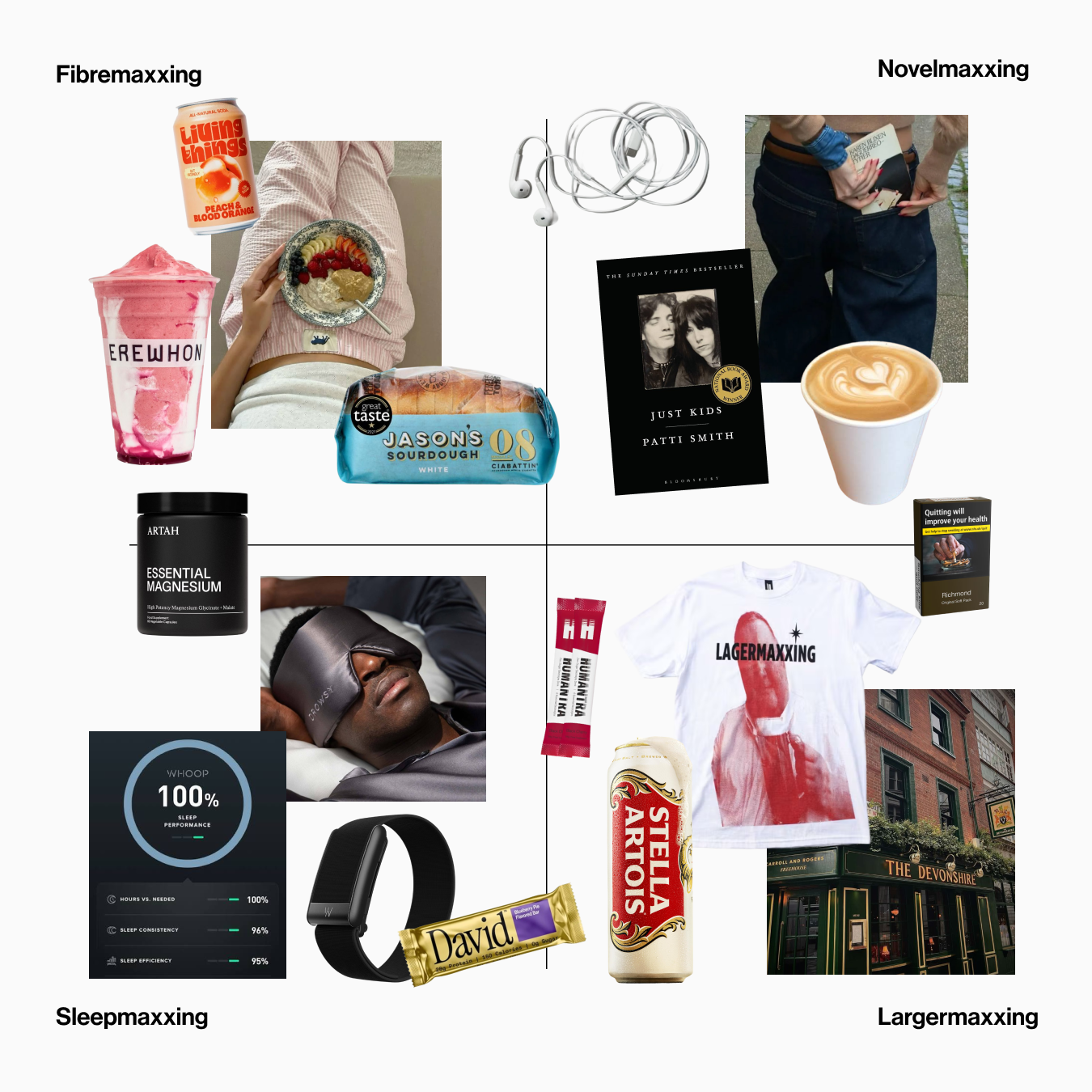
[fig 00: maxxing culture by Unfound]
Proteinmaxxing, fibremaxxing, auramaxxing, lunchtimemaxxing, I even heard Catholicmaxxing the other day. ‘Maxxing’ has come to sum up a wellness culture that encourages obsession. Perhaps led by marketing folk who want us to go all in on their supplement, product or tech, and closely linked to the idea of optimisation, which has been just as much of a buzzword over the past decade. Maxxing has found its way into our design decisions too, from 30g of protein plastered on products we didn’t know had protein in them, to Meta ads hooks that turn everyday products into performance metrics.
We’ve been encouraged to optimise our sleep, obsess about our gut health, max out our 5km PBs. But is optimisation still the new status quo, or have we maxxed out on maxxing?
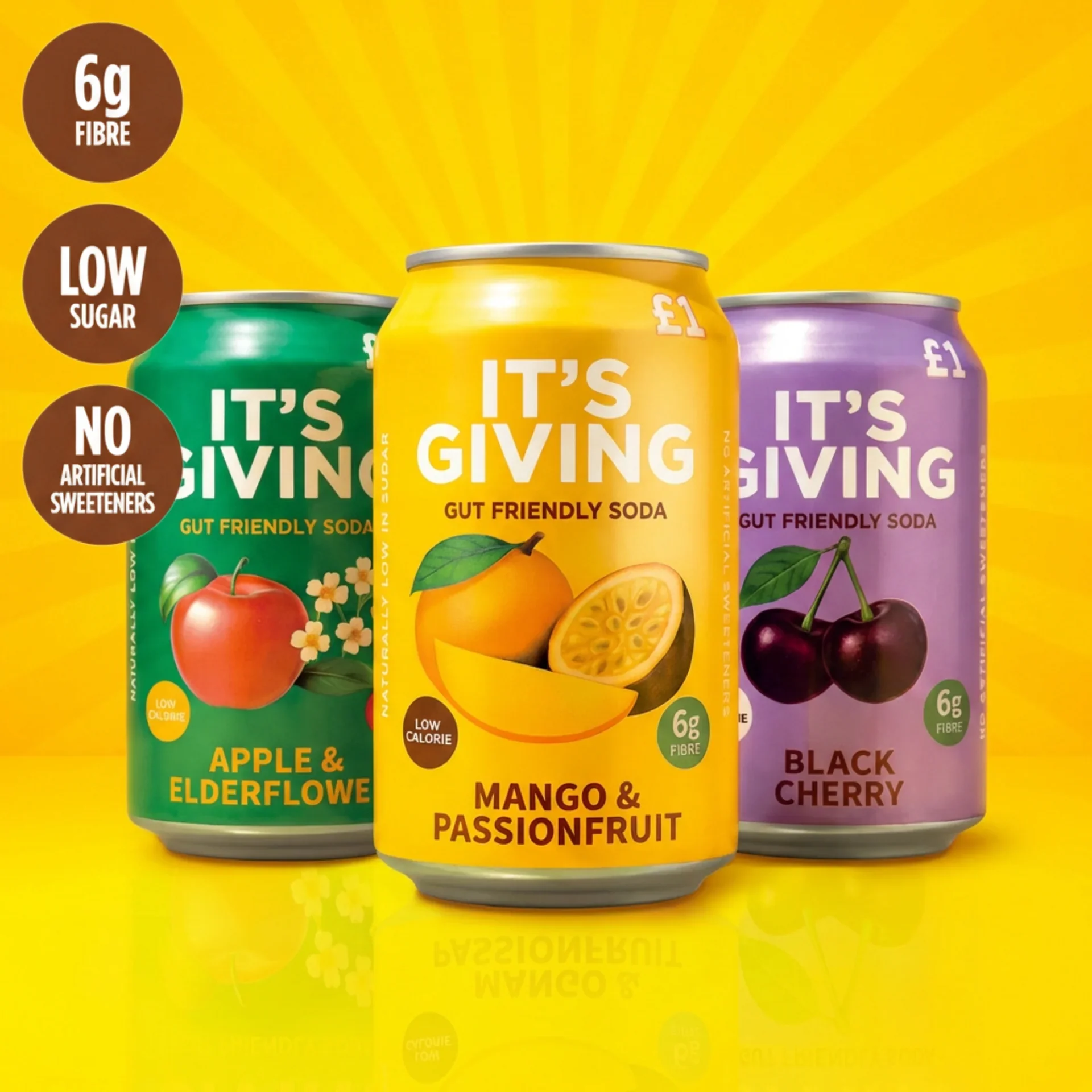
While maxxing often speaks to more of a self-initiated pursuit, and you will often hear it used in a more light-hearted manner, it does have some downsides. For example, looksmaxxing carries a connection to the toxic masculinity that lives in corners of the internet (see Louis Theroux’s Manosphere). I’ll be honest, I’ve never enjoyed the maxxing trend, and the fact that these words find their way into the dictionary still amuses me. But I think maxxing carries a performative nature, it suggests a short-lived focus on just one aspect of your life.
But these cultural phenomena always end up heavily influencing design. Linked closely to data and science, maxxing and optimisation often carry a technical aesthetic. This reflects how wellness as a topic has changed in recent years; it's been gamified. Self-care became formulaic, meditation turned into mental training, and nutrition became 'bio-hacking'. And so, the visual cues of the category follow suit. I picture the ticking of time, aggressive types, stark imagery, bold traffic light coding and streaks to maintain. It is not joyful, instead it carries connotations of perfection, finessing every detail, a lab experiment.
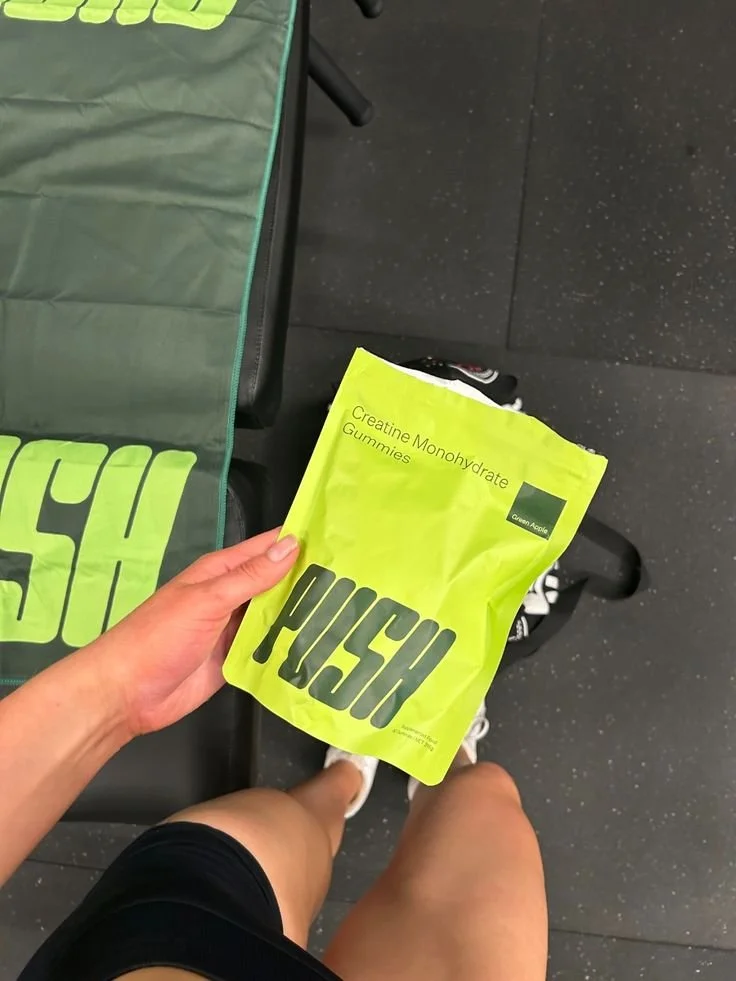
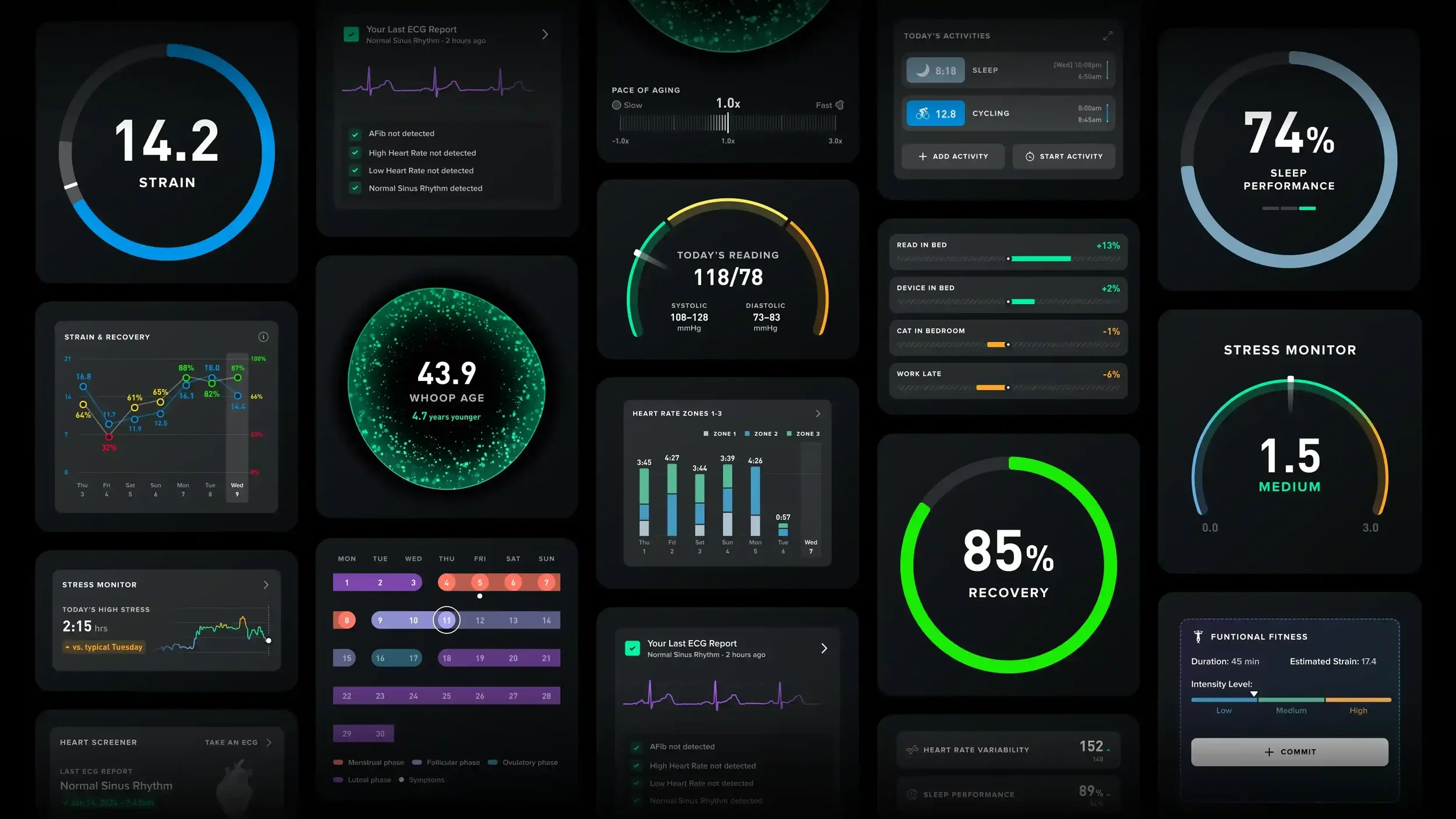
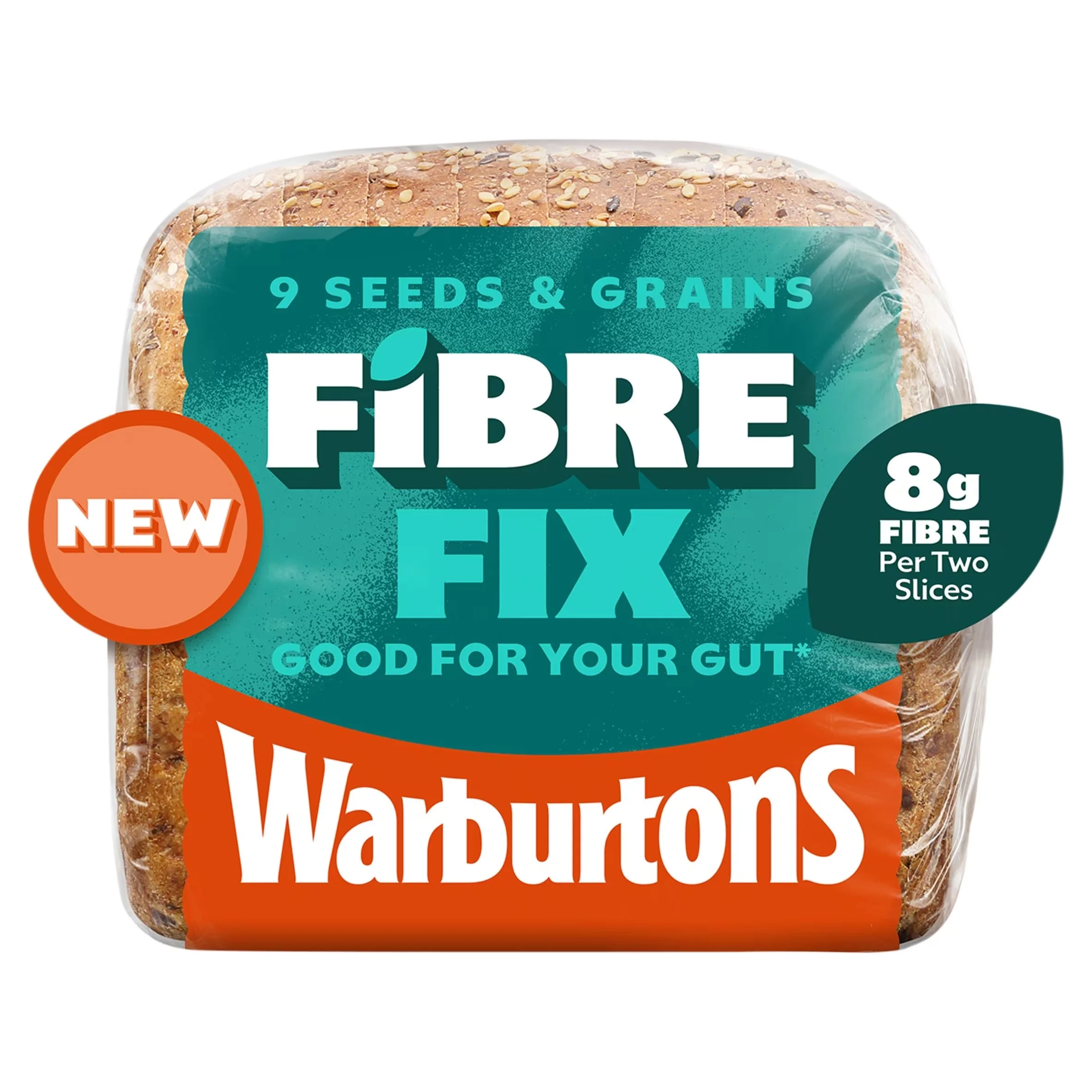
We know that there is a tribal nature to branding, and so brands have leant into maxxing cues to help people find their crew. It becomes an important part of the design hierarchy, sometimes the first (the ‘Fibre’ call out on Warburtons bread illustrates this well) so that brand can help people understand that this is for them sooner. Brand is an identity marker, we associate ourselves with the rituals that we think define who we believe we are. Marketing teams know this, and so the cycle continues.
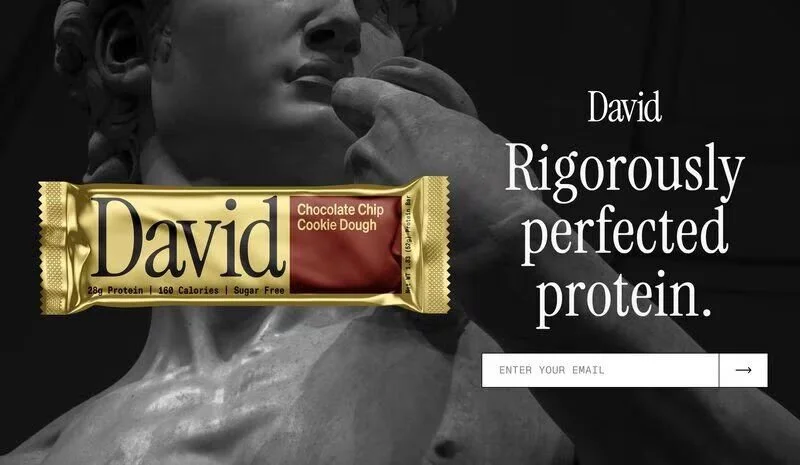
Take David. I love this brand, there is a purity and an absurdity to it at the same time. It’s protein to the max, completely optimised, or in their words 'rigorously perfected protein’. It signposts an aspiration to proteinmaxx, through its packaging, its brand associations and its language.
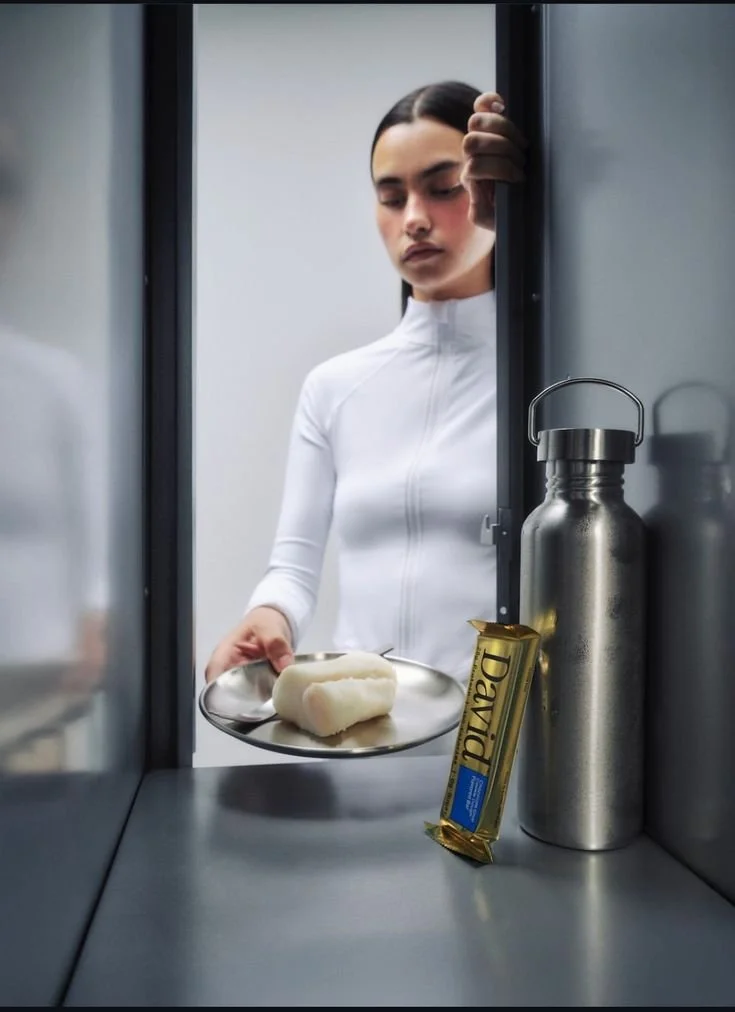
Maxxing and optimisation have encouraged us to dial in, and don’t get me wrong, a lot of us have tried it. But the realities might not be all they were sold to be. Design has amplified the pressure instead of reflecting it, and a constant pursuit of perfection is never too far from anxiety or burnout.
We are seeing a growth in wellness offsetting or productive contradictions, where discipline meets indulgence. Anti-optimisation is a thing now. It's Pilates before the party, or a 10k PB then a pint, or just the understanding that a good book and dim lighting are as much of a wellness play as a 60 minutes on a treadmill.
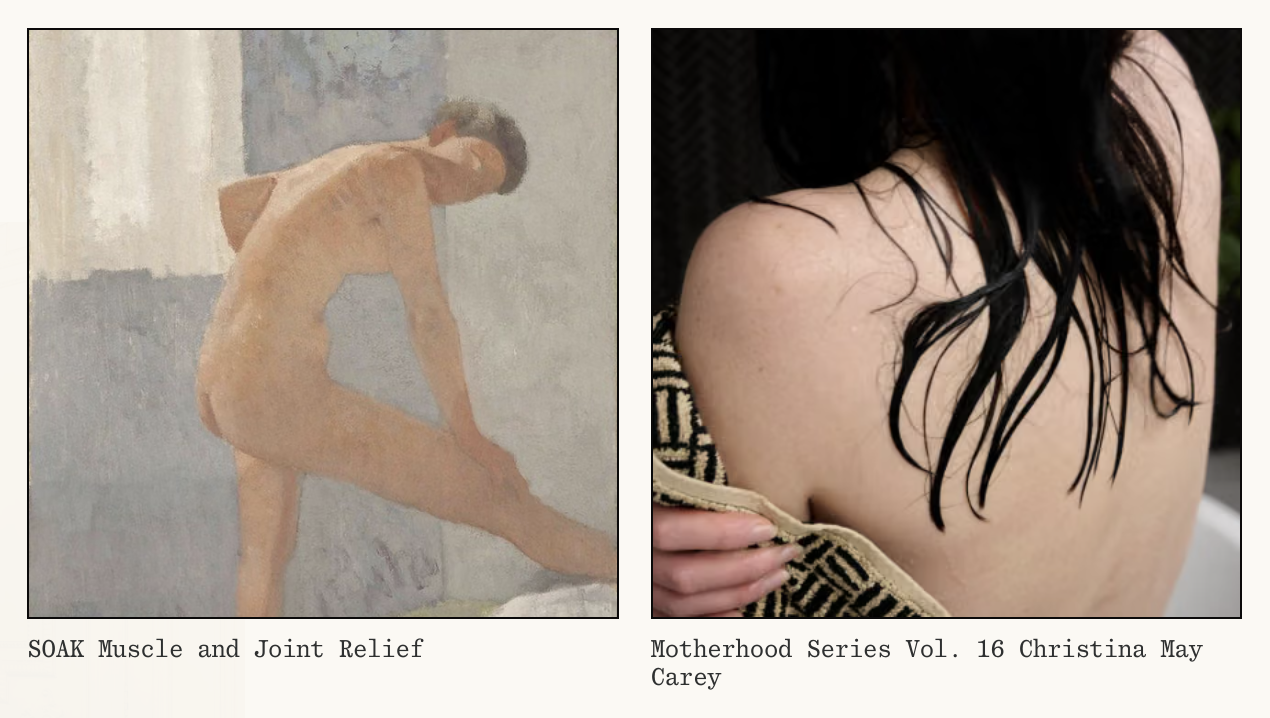
Brands can help make room for that by favouring softer, more human interactions over metrics, letting people discover a product rather than shouting the numbers at them. Lead with how a product or brand makes people feel over what it measures, think warmer palettes, imagery of enjoyment not extreme discipline, and language that invites instead of instructs. The brands that do this well lean into imperfection and texture, think sketches, hand drawn or shot on film.
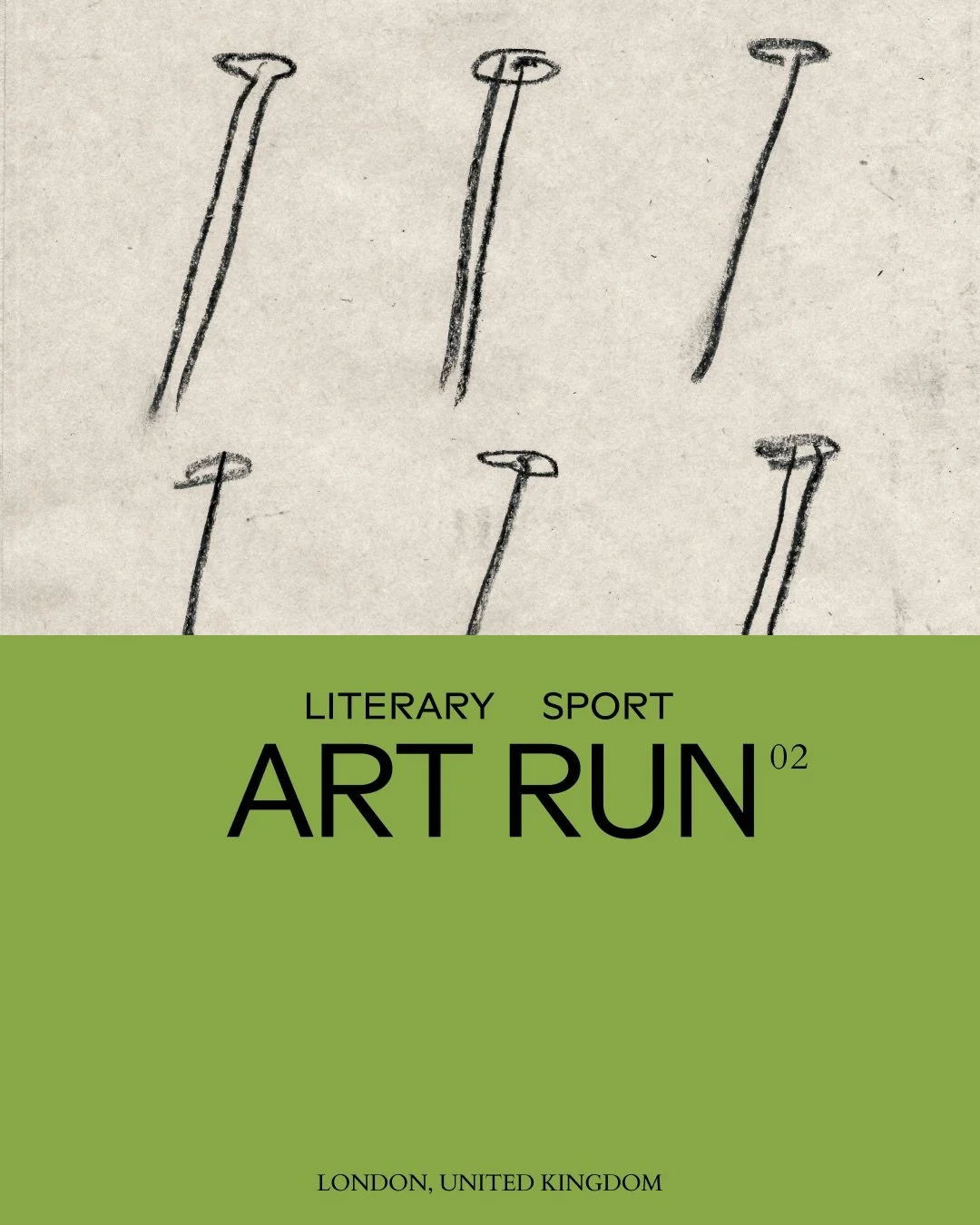
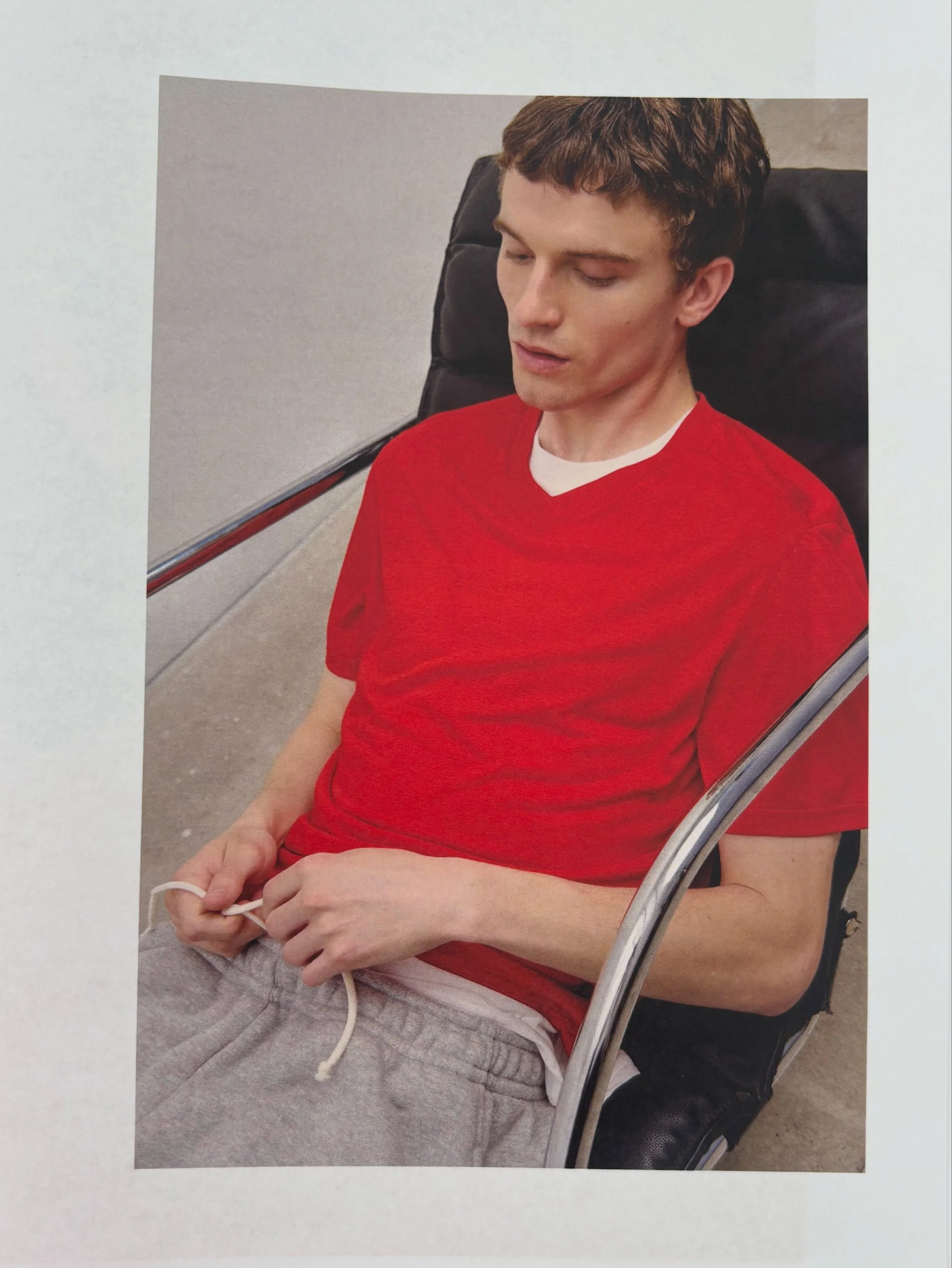
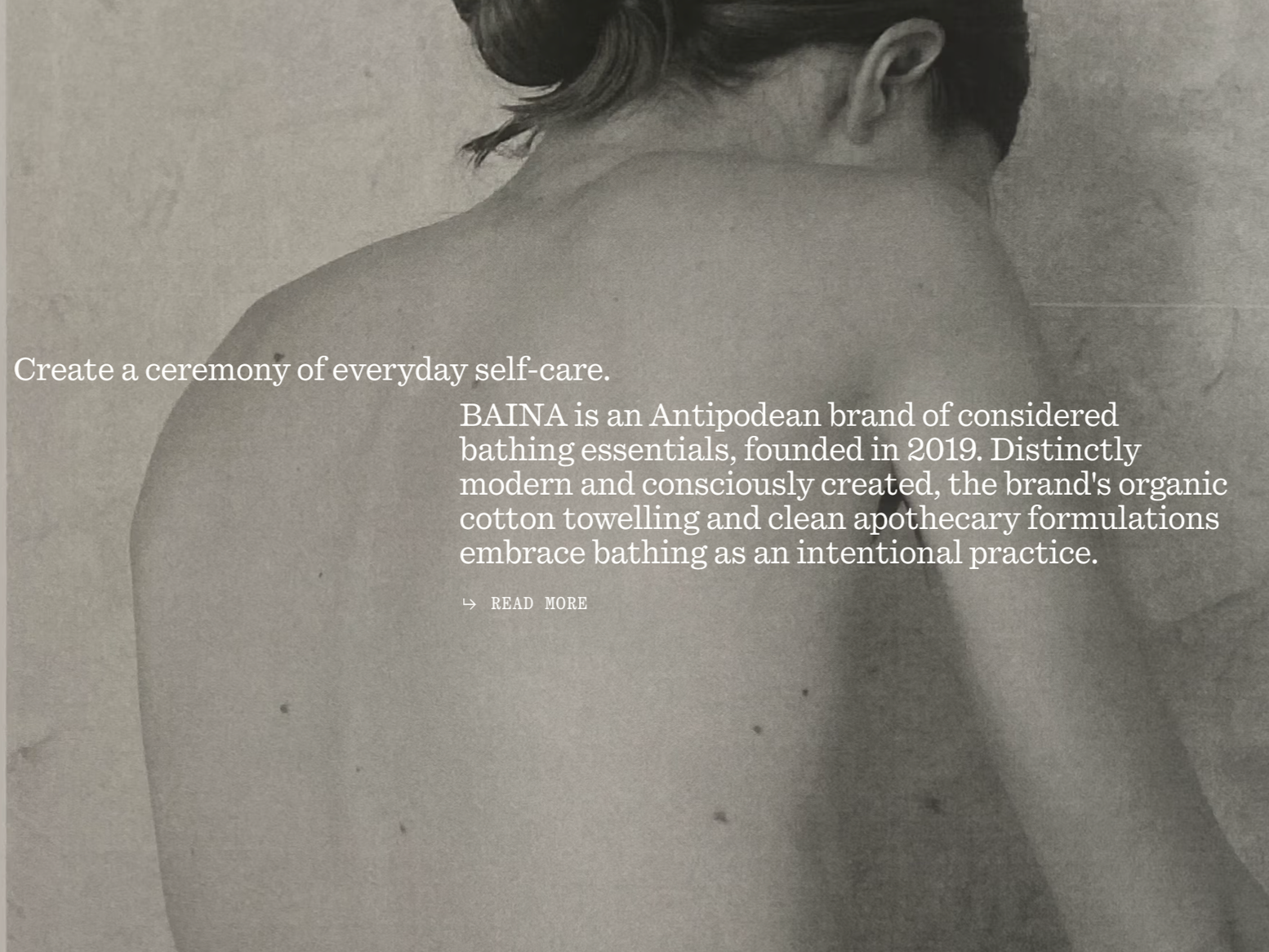
Take Literary Sports, who describe themselves as a collection of refined running wear; purposeful garments that complement the individual pursuit of sport. Complementing is key here. They aren’t trying to solve or win, but complement. They also organise Art Runs, which are a testament to this: community runs that end with art. Then there’s Baina, who operate with a deep consciousness of its social, ethical and environmental responsibility. Created for the ‘practice of bathing’, their language suggests addition, not possession, and their design leads with textured imagery rather than graphics that overexplain.
So, have we maxed out on maxxing? Probably not. But as wellness becomes increasingly measured, tracked and optimised, there's an opportunity for brands to offer something different. Less emphasis on what we could be doing better, and more on what makes us feel good. Because not everything needs improving.
More from Unfound: