Cultural Behaviour Unpacked: The Optimisation Hangover
2 minute read
Time to Kick Back
In our new report, we unpack three emerging cultural behaviours. Here, we add some extra context to the third and final behaviour we’ve documented - The Optimisation Hangover.
We’ve reached peak performance. And now, we’re quietly backing away. For years, optimisation culture promised more. Smarter training, better sleep, cleaner eating. Every app, wearable, and supplement promised more energy, more focus, more control. And we lapped it up, because who wouldn’t want a better version of themselves?
But lately, the energy has shifted. Biohacking is still here, but it’s not something to brag about. People at the forefront of culture still track their steps and heart rate, but they’re not posting about it as much. We’re not rejecting the data; we’re just not worshipping it anymore.
The vibe now is different. It’s a bit “10K then a pint.” Pilates before the party. Greens in the morning, nightlife at night. The glow-up still matters, but it’s tempered with humour, contradiction and self-awareness.
This is wellness with side-eye. The gorpcore crew sweat it out, then hit the club. Yes, people still go clubbing. And no one’s checking their WHOOP scores while they’re at it.
Why? Because optimisation fatigue is real. When every part of life gets gamified, the fun gets sucked out. Sleep becomes a score, food becomes a formula. And somehow, despite all this tech, we feel worse. Wellness isn’t working like it used to, and people are starting to notice. I had to send my Whoop device back after a month because I just got tired.
That’s why the next wave of health culture won’t be about maxing out. It’ll be about knowing when to turn it off - using the tech, not letting it use us.
Additional risk-taker: S’more
This new activewear brand epitomises the shift. S’more doesn’t hide its love of life, colour and style, their tagline “Life’s s’more fun when you run” is a sentiment that acknowledges feeling over statistics. Literally named after a snack, they celebrate indulgence as much as performance. Giant GCI s'mores, models eating snacks on runs and a tasty tone of voice to match - these guys understand the wellness doesn’t have to be harsh.
Additional risk-taker: Topicals
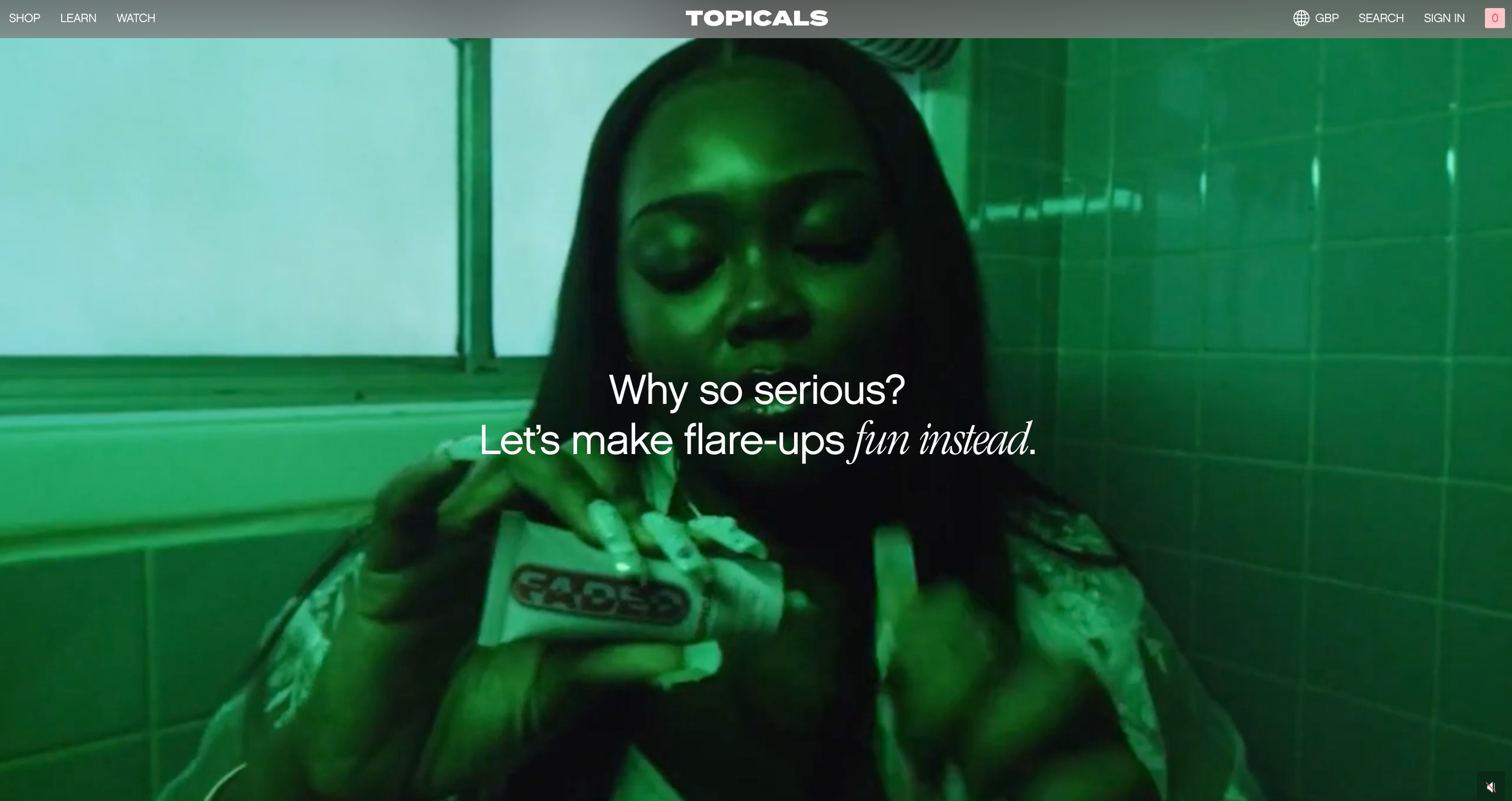
For years, skincare felt sterile: white jars, jargon-laden labels, clinical branding. Topicals flips that script. With neon-green tubs, cheeky product names (“Stop Staring” lip balm, “Meet Your Matcha” body wash) and a “Why so serious? Let’s make flare-ups fun” attitude, they inject personality into self-care. Their tagline, “Slicker than your average skincare” underscores the vibe. The brand even speaks openly about the stress and shame of chronic skin issues and mental health. Topicals reminds people that life is messy, and brands can be too.
So if you’re a brand in wellness, maybe the play isn’t another dashboard or tracking app. Maybe it’s a message, a reminder that not everything needs measuring. That recovery can be productive. A night out can be healthy for the soul. In short, balance isn’t soft , it’s smart.
If this hits home, there’s more where that came from. Our full Newwave™ culture report digs deeper into what’s fuelling this optimisation hangover and what your brand can do about it. We’re here to help you rethink wellness, on your terms.
MORE FROM UNFOUND: