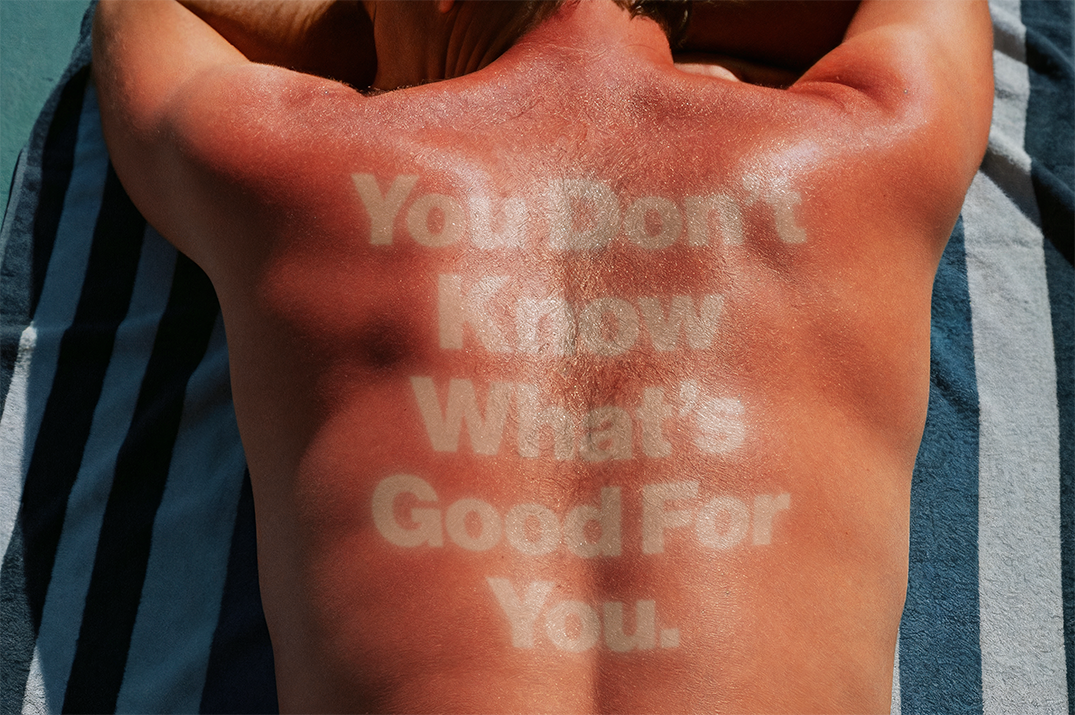
You Don’t Know What’s Good For You.
3 minute read…
I was on lunch at a shoot for a client of ours last week, and one of our team mentioned they’d swapped out their Korean beauty products. The whole table nodded along. He talked about the damage an extensive skin routine can do to your skin barrier, and that some products of Korean origin could be the worst culprits due to the ingredients involved. One by one, more of the team agreed.
This was news to me. Not too long ago, Korean beauty was aspirational. Great branding, clinical storytelling, and perfect skin as a proof-point. Now the thinking is that too many steps causes long-term damage. I can’t confirm the truth of that, but that isn’t really the point of this piece.
It got me thinking about how much information is too much information. What happens when we can’t see the wood for the trees. We’ve spoken about this at length in our cultural reports. Marketing fatigue. Algorithm slop. Fake news. I’m guilty of it. I see a hack or a soundbite on TikTok and I’m inclined to believe it first and question it second. But what actually happens when we have all this insight at our fingertips, but we never really know the intention of the source?
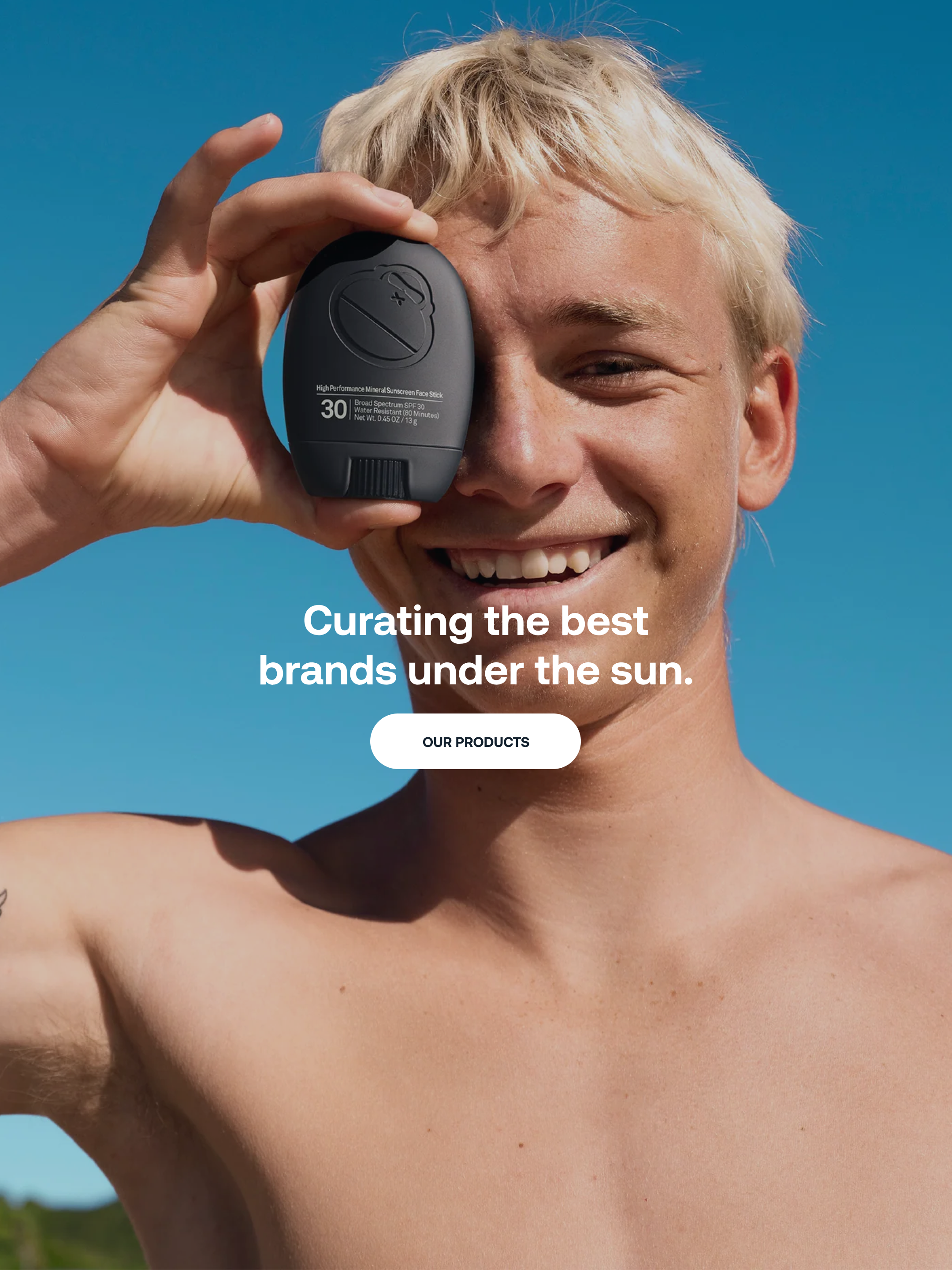
The on-shoot conversation about skincare reminded me of Unfound’s work for Sun & Skin. The challenge they faced, as an online department store for SPF products, was that the news around SPF had become misleading. Some people believe SPF is an essential daily choice, not just for holidays. Others now believe it’s toxic, and want it nowhere near them. Again, no answers here. But when modern platforms like TikTok serve undeniable authenticity, where an unqualified creator can be a better storyteller than a dermatologist with decades of skin the wellness game, who do we end up believing?
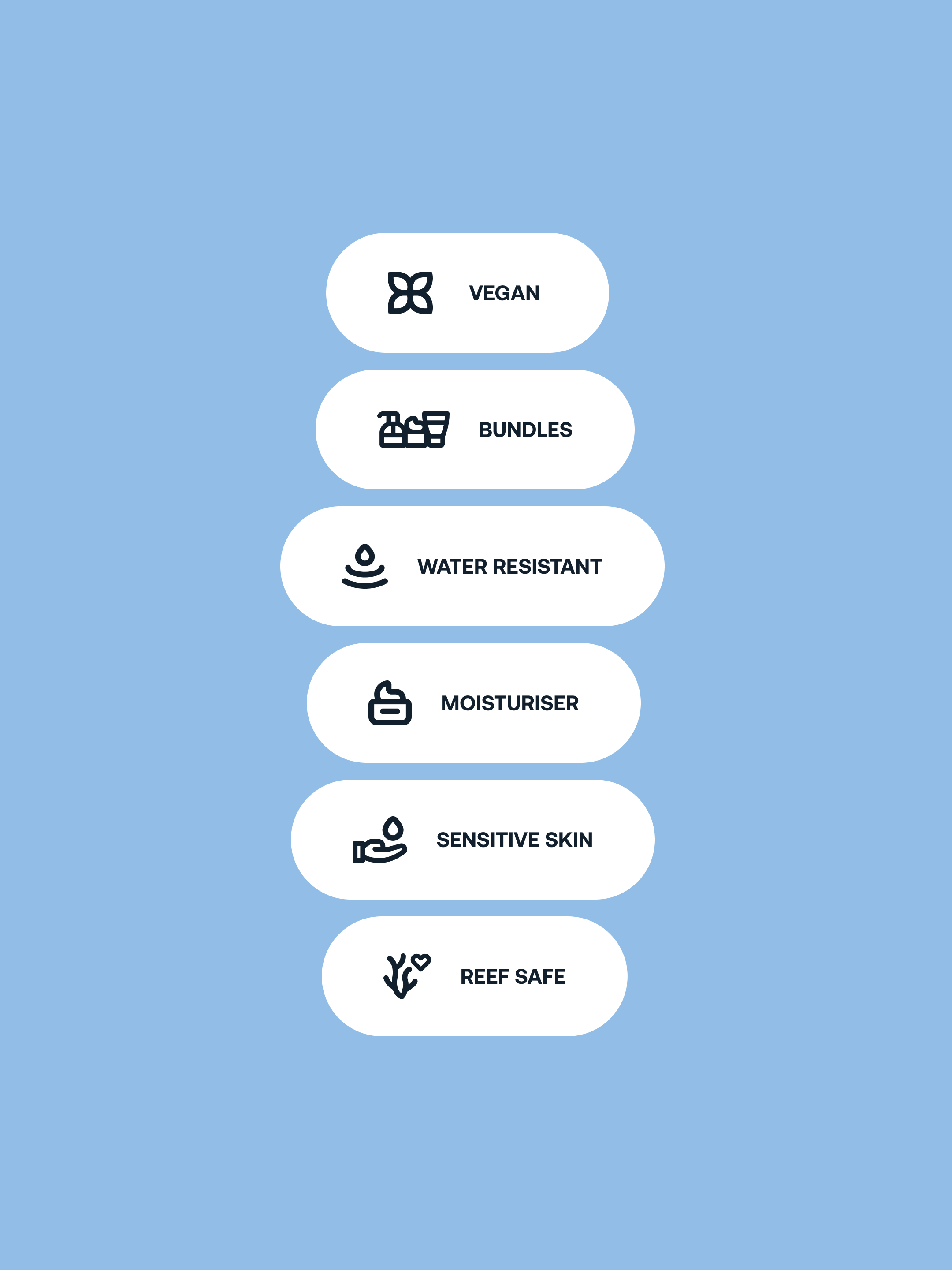
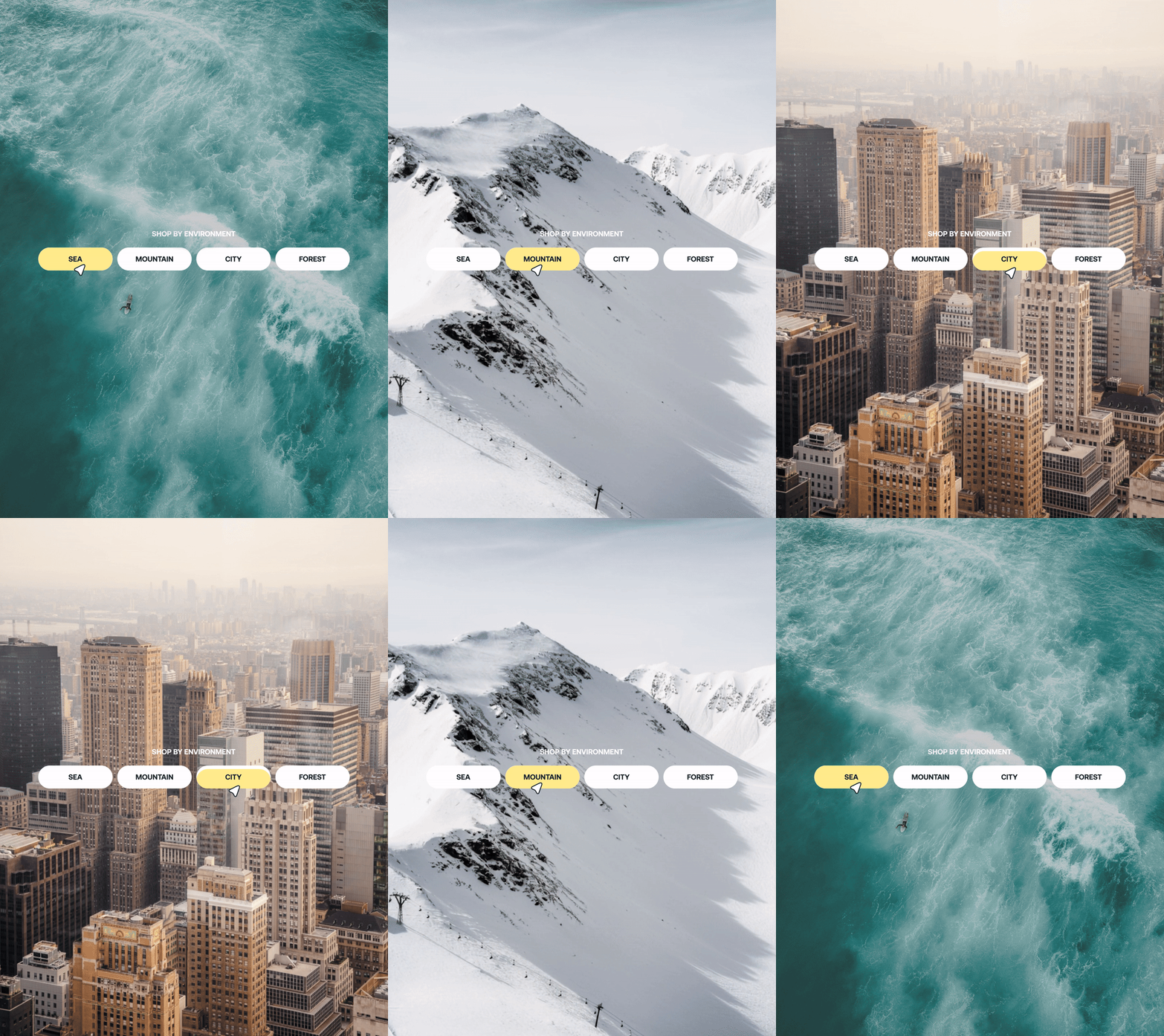
For Sun & Skin, it was about connecting with the individual’s needs through categorisation of product by occasion. Showing people options based on what their days actually look like, and letting them uncover the science along the way. These guys were also about breadth. As a wholesaler, it wasn't about claiming they had the best product on the market, but instead handing the discovery over to the user.
At the same time as the internet allows the privilege of holding macro knowledge across vast topics, modern social media influencers are starting to hold a more honed position. Our culture report observed this as ‘The Hobbyist’. It’s the idea that avoiding the noise means going all in on one expertise, and building comfortable confidence in that space.
But those hobbiest still have skincare routines. So, who do they trust when they need a new moisturiser? Brand plays a part. Social proof another. But it’s difficult.
Take supplements. Starting a supplement brand today is like starting a t-shirt brand 2020. It’s quite easy, it’s aspirational and everyone seems to be doing it. But the space isn’t regulated with much rigour. You don’t need years of experience or evidence-backed products. Just a belief, a network and a certificate that your product is packed in a ‘food safe’ way.
It means that the market asks for consumers to be more educated than ever, but the challenge is finding that information from somewhere other than brands who just want people to buy their stuff.
My take here isn't anti-brand, it’s a case for brand to show up in people’s lives in more meaningful ways. I think brands can and should do better. I’d love brands to acknowledge the landscape they exist in. To talk to consumers like humans who are overwhelmed with options, who often pick nothing over something, or settle for sub-standard results. Maybe even encourage trial and error, without having to have it all figured out.
Culturally, what does a brand look like that is one of the people? A brand that doesn’t trust the algorithm, or try to shout louder than everyone else. That’s a cool question to be asking.
I told you I didn’t have all the answers here. I’ll keep looking. But I think the theme of overwhelmed and overstimulated consumers can really inform how brand and marketing evolves, right now and further down the line.
Do we have a duty to regulate and protect brand through design, to make sure our work is delivered with intention? There’s an answer I do know. It’s a firm yes.
We help brands make sense of culture, and turn that understanding into systems that look, sound, and scale with intent. Let’s make it make sense — hello@unfound.studio